Situated in the heart of the South Downs National Park, within the sought-after King Edward VII Estate, this substantial former Grade II* listed chapel (approx. 6,135 sq ft) offers potential for a variety of uses, subject to the necessary consents.
Full Description
Available For Sale or To Let - The Chapel of the former King Edward Hospital was included on the statutory list of special architectural and historic interest at grade II* on the 2nd March 1987. The list entry for the building was consequently amended on the 26th November 1987. The list entry summary states:
Chapel opened in 1906. Architects Adams, Holden and Pearson, but stylistically this building is most likely to be by Charles Holden, in a mixture of Free Tudor and Romanesque styles. The chapel was the gift of Sir John Brickwood, a Portsmouth brewer.
Within the King Edward VII Estate lies the grade II* listed Chapel, constructed on behalf of King Edward VII in the early-20th century as part of the wider Hospital. The former hospital building, and wider estate were purchased by City & Country. In 2011, planning permission and listed building consent were secured for the redevelopment of the estate, creating luxury residential living.
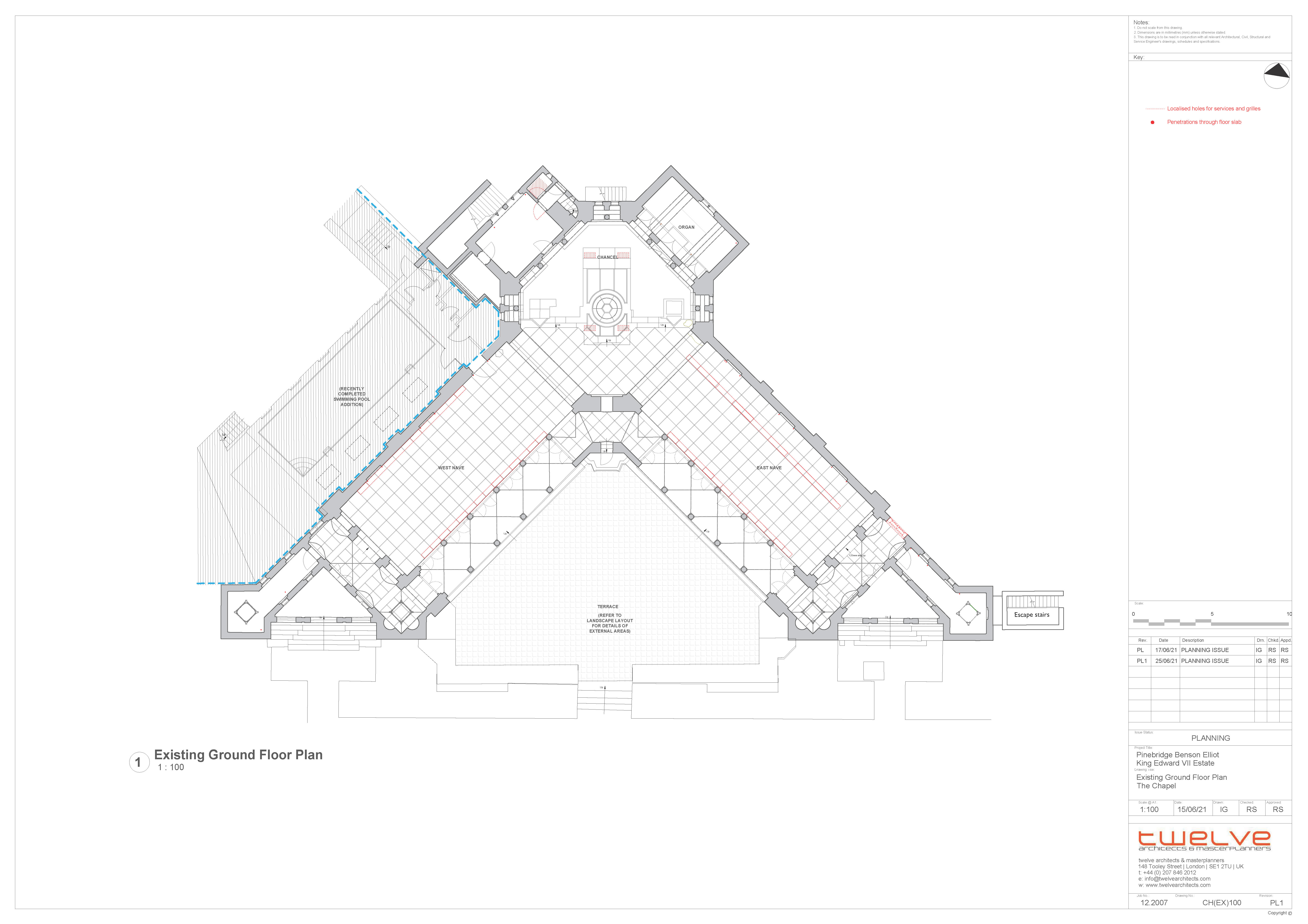
Indicative Floor Areas (approx.) -
East Nave 105 sq m
Chancel 95 sq m
West Nave 99 sq m
Terraced Areas 105 sq m
East Entrance 20 sq m
West Entrance 20 sqm
Ancillary Areas 21 sq m
There is also a large basement level beneath The Chapel
Location
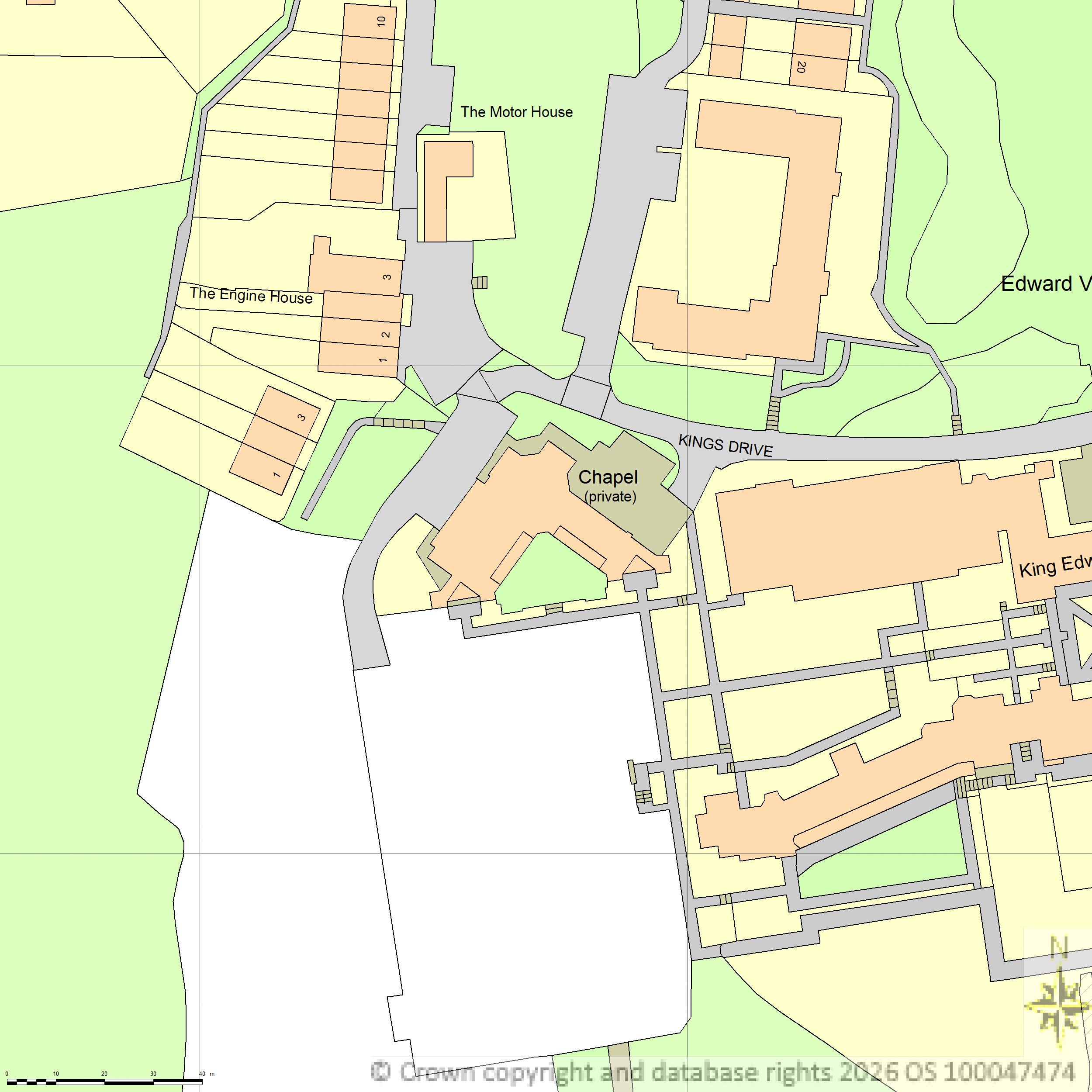
The Chapel is set within the heart of the stunning South Downs National Park. The Estate includes circa 165 acres of private grounds, Gertrude Jekyll-designed gardens, and woodland and in excess of 400 residential units comprising a mix of apartments and new-build homes.
To the north of the estate lies the village of Fernhurst (6km) and to the north-east is the small hamlet of Henley (2km). The village of Easebourne is located around 4km to the south-east, and the small market town of Midhurst is situated between 5-6km to the south. Numerous heaths and woodlands surround the estate on all sides, notably Woolbeding Common, Pound Common and Lord’s Common.